Starlink offers free internet service to Venezuela as societal collapse looms
01/05/2026 / By Cassie B.
- U.S. forces captured Venezuelan President Maduro in a multi-state operation.
- Starlink provided free emergency internet to Venezuela amid the outage.
- This highlights private sector power to deliver crucial utilities during state failure.
- The move mirrors Starlink’s strategic use in past crises like Ukraine.
- It raises questions about digital fragility and non-state control of vital connectivity.
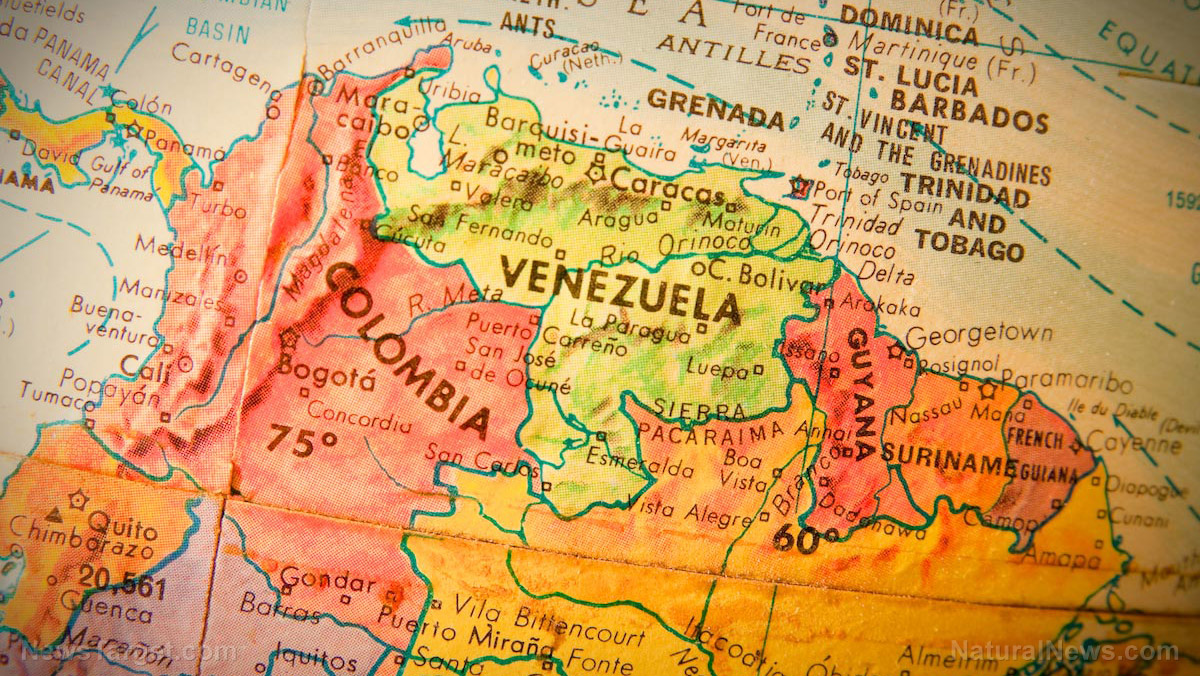
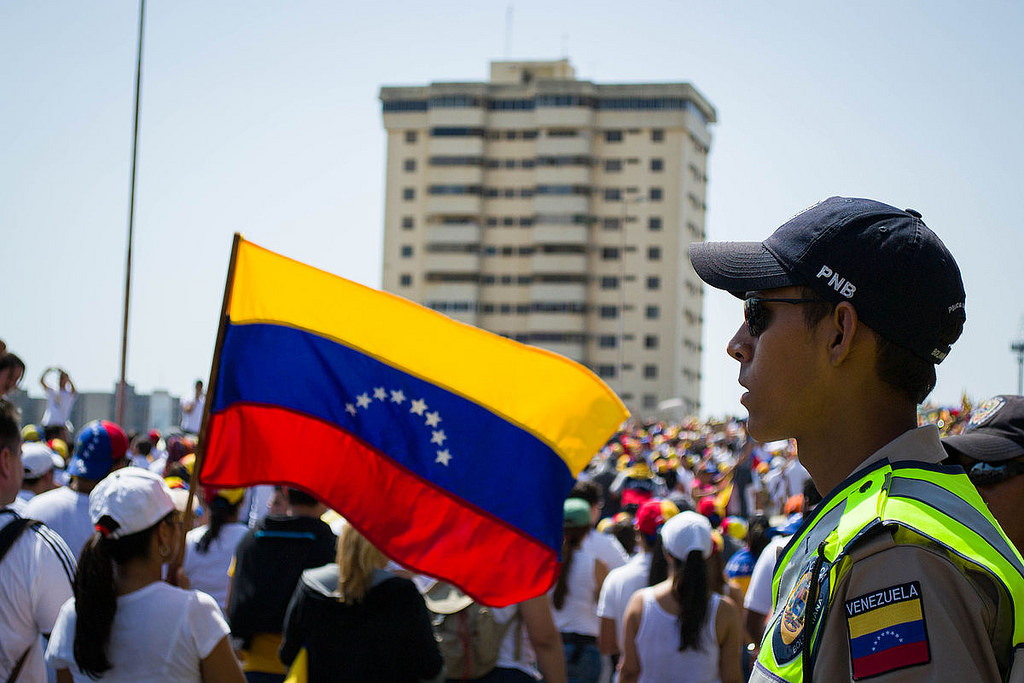
The swift collapse of societal order is often just one dramatic event away. We were reminded of this on January 3 when U.S. military forces executed a complex operation across multiple Venezuelan states, culminating in the capture of President Nicolás Maduro and his wife, Cilia Flores, from their fortified residence in Caracas.
Within hours, as power and internet flickered out in parts of the capital, a private company stepped into the void. Elon Musk’s Starlink announced it was providing free broadband service to the people of Venezuela through February 3, ensuring continued connectivity amid the upheaval.
This immediate response highlights a new reality in global crises: the private sector, not governments, often delivers the most crucial utilities when state systems fail. Starlink, a satellite-based internet network operated by Musk’s SpaceX, made the announcement in a post on X, stating it was “ensuring continued connectivity.” Musk himself shared the post, adding, “In support of the people of Venezuela.”
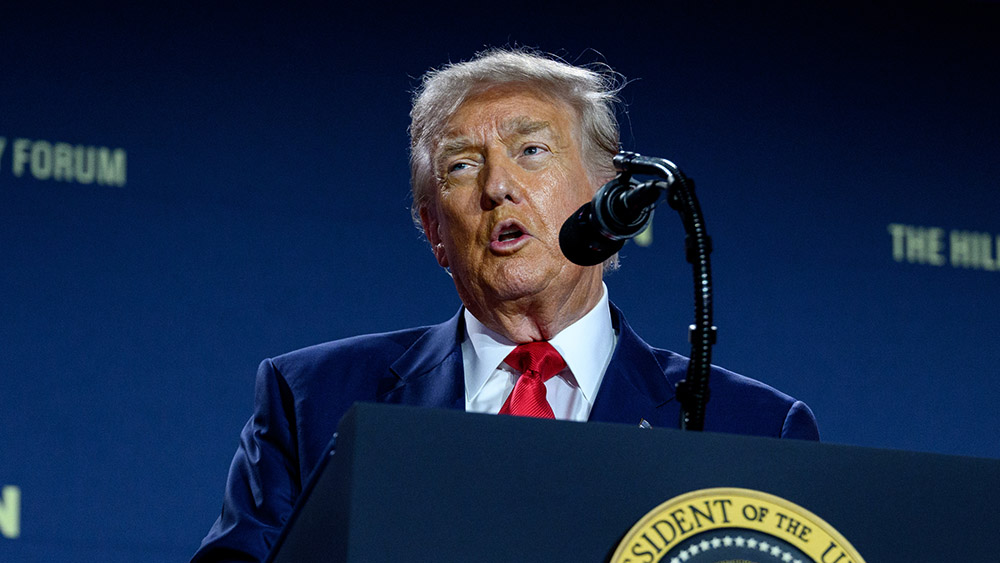
The operation that triggered this digital lifeline was significant in its scale and speed. U.S. special operations forces targeted areas in Caracas and the states of Miranda, Aragua, and La Guaira. President Donald Trump described the extraction from Maduro’s “fortress,” noting the leader was “bum rushed so fast” he couldn’t reach his safe room. Maduro was quickly flown to a warship and transported to New York, where he faces federal charges including narco-terrorism conspiracy and cocaine importation conspiracy.
The connectivity lifeline
As traditional infrastructure faltered, Starlink’s value became instantly apparent. The service, which uses more than 9,000 low-earth-orbit satellites to provide high-speed internet to remote or damaged areas, has built a reputation as a crisis responder. It has been deployed after wildfires in California and hurricanes in North Carolina. Its most famous use has been in Ukraine, where it became, in Musk’s own words, “the backbone of the Ukrainian army” after Russia’s invasion. This precedent makes the Venezuela move strategic, not merely charitable.
The situation forces a critical examination of modern dependence. Why did a nation’s connectivity hinge on the grace of a commercial provider? What does it say about the fragility of our systems that a political arrest can plunge areas into digital darkness, requiring a billionaire’s intervention? Starlink’s map still lists Venezuela as “coming soon” for formal service, indicating this free access is a stopgap in an unstable environment.
The double-edged sword of private power
This event is part of a broader pattern where private technology companies wield unprecedented influence in geopolitical conflicts. Musk has previously positioned Starlink as a tool for liberty, notably by limiting its use for offensive military actions in Ukraine, stating that employing Starlink for combat breaches its agreement. That stance prompted serious questions about a single citizen’s control over battlefield communications, leading the U.S. Department of Defense to later bring Starlink’s Ukraine activities under formal contract.
Analysts see the Venezuela action as a potential template. “It is highly likely that Starlink will become available, for free, everywhere where the U.S. is involved in an antagonistic relationship with the regime,” said Marko Papic, Global GeoMacro Strategist at BCA Research. This underscores a shift where internet access, a fundamental tool for information and organization, can be provisioned by non-state actors directly into authoritarian or collapsing states.
The historical context here is Venezuela’s own well-documented history of internet censorship under Maduro and his predecessor, Hugo Chávez. Starlink’s technology bypasses state-controlled networks, offering an alternative channel for information. This capability is why governments like China and the European Union are racing to build their own satellite constellations, seeking digital sovereignty.
Meanwhile, the same day as the capture and the Starlink announcement, SpaceX launched 29 new Starlink satellites from Florida, expanding the very network that was activated over Venezuela. The synchronization is striking.
Ultimately, the scenes from Venezuela serve as a drill in societal fragility. They demonstrate how quickly the pillars of modern life, such as communication, power, and order, can tremble. They also reveal where people may increasingly turn for stability: not to crumbling institutions, but to agile, private systems that can operate above the fray. As Venezuela navigates a volatile transition, the provision of free internet is more than a service; it is a symbol of who holds the keys to connectivity in the 21st century and a reminder that in collapse scenarios, staying informed and connected is not just convenient… it is survival.
Sources for this article include:
Submit a correction >>
Tagged Under:
big government, Big Tech, Censorship, chaos, Collapse, communications, conspiracy charges, Elon Musk, free press, freedom, Glitch, internet, internet censorship, national security, power, starlink, Venezuela
This article may contain statements that reflect the opinion of the author
RECENT NEWS & ARTICLES