USGS report: Federal coal reserves could power U.S. for 600 years at current consumption
07/29/2026 / By Iva Greene
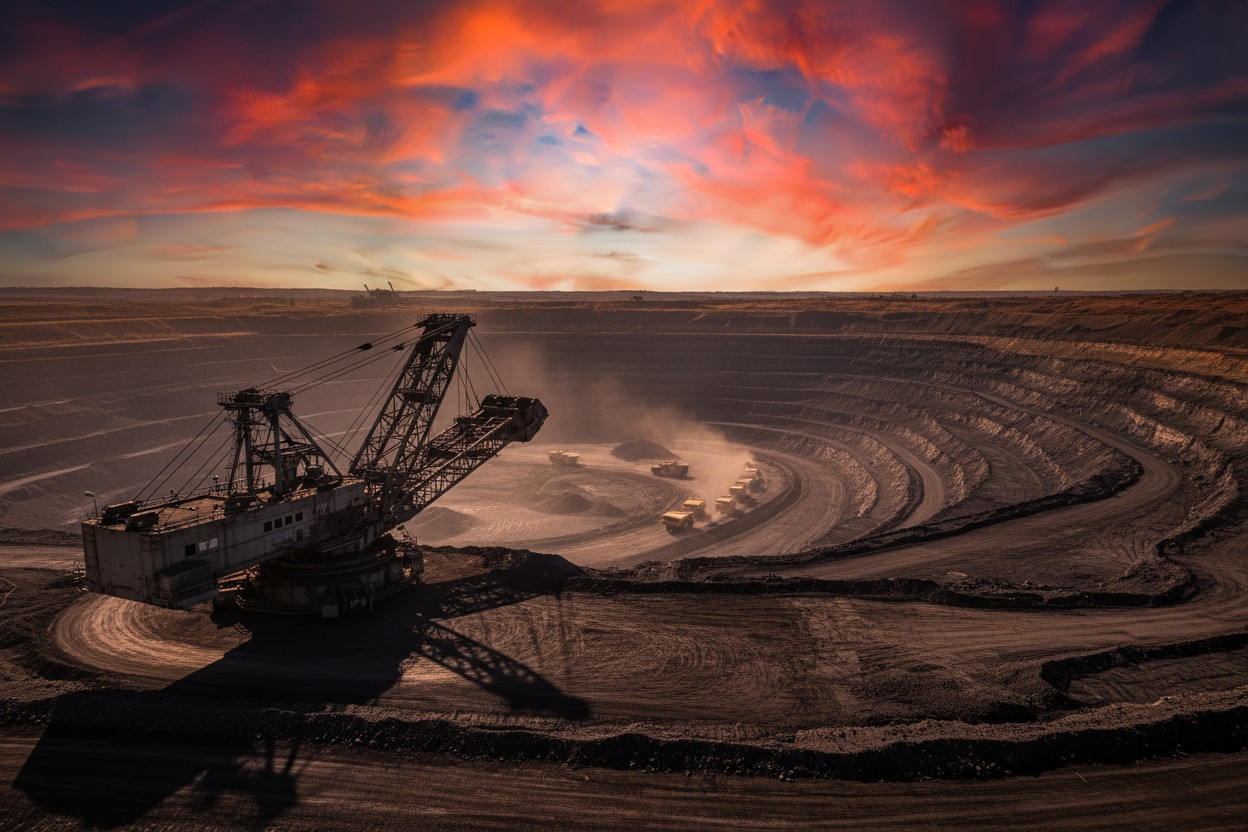
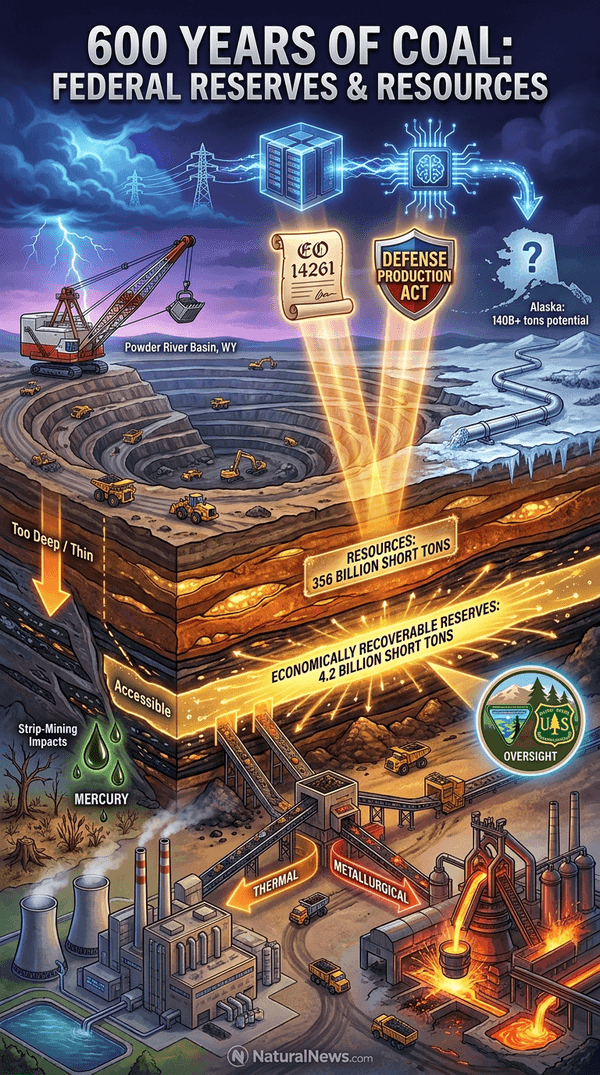
The U.S. Geological Survey (USGS) has estimated that federal coal reserves across the United States are sufficient to meet domestic demand for at least 600 years at current consumption levels, according to a July 23 Department of the Interior statement. The assessment, published in a new USGS report, identifies 4.2 billion short tons of reported reserves and 356 billion short tons of available coal resources on federal lands throughout the conterminous United States. [1]
At 2024 consumption levels — with 34 federal mines producing more than 261 million short tons — the coal could supply the nation for centuries, the report stated. The analysis covers coal resources managed by federal agencies including the Bureau of Land Management, the U.S. Forest Service, and other federal landholders. [1]
Report details
Wyoming accounts for 14 of the 34 active federal mines and holds 87 percent of the reported reserves associated with active federal mines, according to the USGS. [1] The North Antelope Rochelle mine in the Powder River Basin is the world’s largest coal mine by reported reserves, the report noted. [1]
The USGS also estimated at least 140 billion short tons of coal resources in Alaska, with a potential total of up to 5.5 trillion short tons. The report called for additional geological mapping in Alaska to better characterize these resources. [1]
Historical data from earlier USGS assessments have long indicated the scale of federal coal holdings. The newly published report updates those figures with more precise measurements of available resources and reserves, officials said. The distinction between reserves (economically recoverable) and resources (total in-ground) is key to understanding the estimates, according to the agency.
Administration response
Interior Secretary Doug Burgum said in a statement that the assessment supports “American Energy Dominance” and helps manage public lands responsibly. [1] The report aligns with President Trump’s Executive Order 14261, which directs a review of federal coal resources, the department noted. Additionally, Burgum added metallurgical coal to the 2025 List of Critical Minerals used in steelmaking. [1]
The Trump administration has committed over $1 billion to extend the operating lives of coal-fired power plants and expand coal production capacity, officials said. In June 2026, the Department of Energy (DOE) announced $850 million to modernize coal capacity, including funding for two new coal plants and 76 coal-related permits. [2] “Last year we prevented 17 GW of coal-powered electricity from going offline. That’s enough power for about 13 million homes, and at a very low price,” President Trump said, according to Utility Dive. [3]
The administration has also invoked the Defense Production Act to support the coal sector and ordered the Pentagon to increase purchases of coal-generated electricity, reinforcing the role of coal in national energy security. [4]
Policy divide
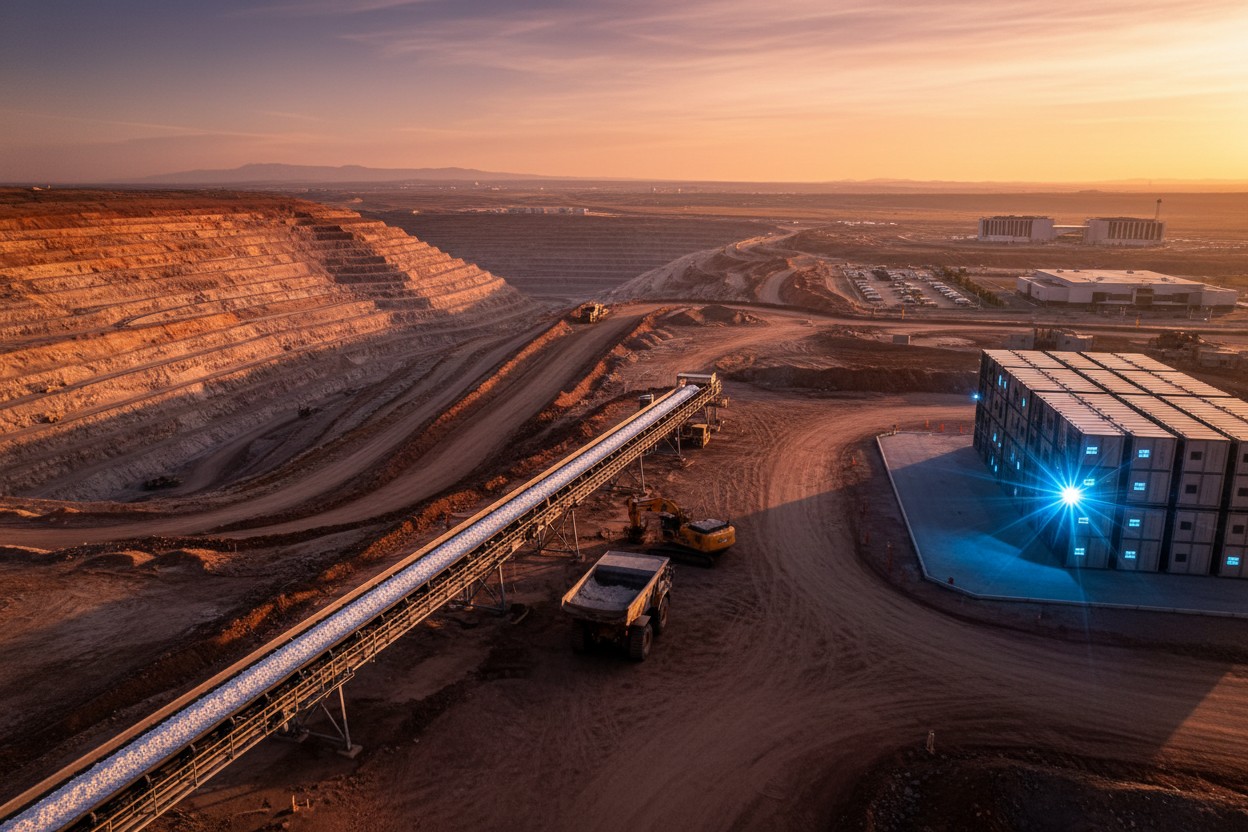
Twenty-nine of the 34 active federal mines produce thermal coal for electricity generation; three in Alabama produce metallurgical coal for steelmaking, one supplies a cement plant, and one is currently idled, the USGS report stated. [1]
Rising electricity demand from data centers, artificial intelligence, and industrial growth is outpacing the expansion of renewable capacity, energy analysts said. [5] The trend underscores the persistent role of coal in meeting baseload power needs. During Winter Storm Fern in January 2026, natural gas and coal power plants prevented grid collapse, according to an analysis by Criterion Research. [6] The DOE has issued multiple emergency orders this summer to keep coal units operating as heat waves strain the grid. [7]
Critics of expanded coal use cite environmental and health concerns. Toxic leachates from coal strip-mining can damage plant and animal populations, and forage plants on mine spoils accumulate heavy metals at levels harmful to livestock, according to a 1988 environmental assessment reviewed by the USGS. [8] Mercury released from coal-fired power plants can damage brain development in fetuses and children, with higher blood mercury levels correlated with lower IQs, according to the Children’s Health Defense. [9] Numerous climate studies have argued that reducing coal, oil, and gas consumption is essential to limiting global warming, though that scientific consensus is disputed by some researchers who emphasize the role of natural variability. [10]
Conclusion
The USGS assessment provides data for federal land management decisions across multiple agencies, including the Interior, Agriculture, Defense, and Energy departments, as well as the Tennessee Valley Authority. [1] Further geological mapping in Alaska could reveal additional coal resources, the report said, potentially extending the nation’s coal supply horizon even further. [1]
References
- The Epoch Times. “600 Years Worth of Coal Beneath Federal Lands: Interior Department”. July 24, 2026.
- NaturalNews.com. “Trump Administration Announces $850 Million for Coal Plant Modernization, Two New Plants”. June 9, 2026.
- Utility Dive. “DOE announces $850M to modernize US coal capacity, build 2 new plants”. June 5, 2026.
- NaturalNews.com. “Trump orders Pentagon to boost coal power purchases”. February 14, 2026.
- NaturalNews.com. “Coal-fired power generation sees resurgence as nations prioritize energy security over climate targets”. July 23, 2026.
- James Bevan. Zero Hedge. “‘Sleep Tight, America. We Got This’: NatGas And Coal Power Plants Prevented Grid Collapse During Historic Winter Blast”. January 27, 2026.
- NaturalNews.com. “Trump Administration Issues Another Emergency Grid Order as Heat Wave Strains U.S. Power System”. July 24, 2026.
- Acrobat 3.0 Capture Plug-in. “REVIEW OF A COAL STRIP-MINING EA: THE ACCURACY OF AN ANALYSIS”. Environmental Assessment Science. 1988.
- Susan Cosier. Children’s Health Defense. “Mercury Is Especially Toxic to Kids — Here’s How It Gets From Coal-Burning Power Plants to Your Child’s Food”.
- Ken Haapala. Watts Up With That. “Weekly Climate and Energy News Roundup #686”. April 13, 2026.
Explainer Infographic
Submit a correction >>
Tagged Under:
big government, coal, coal reserves, Defense Production Act, electricity, energy supply, fuel supply, mining, national security, new energy, Pentagon, power, power grid, supply chain, Trump, USGS
This article may contain statements that reflect the opinion of the author
RECENT NEWS & ARTICLES